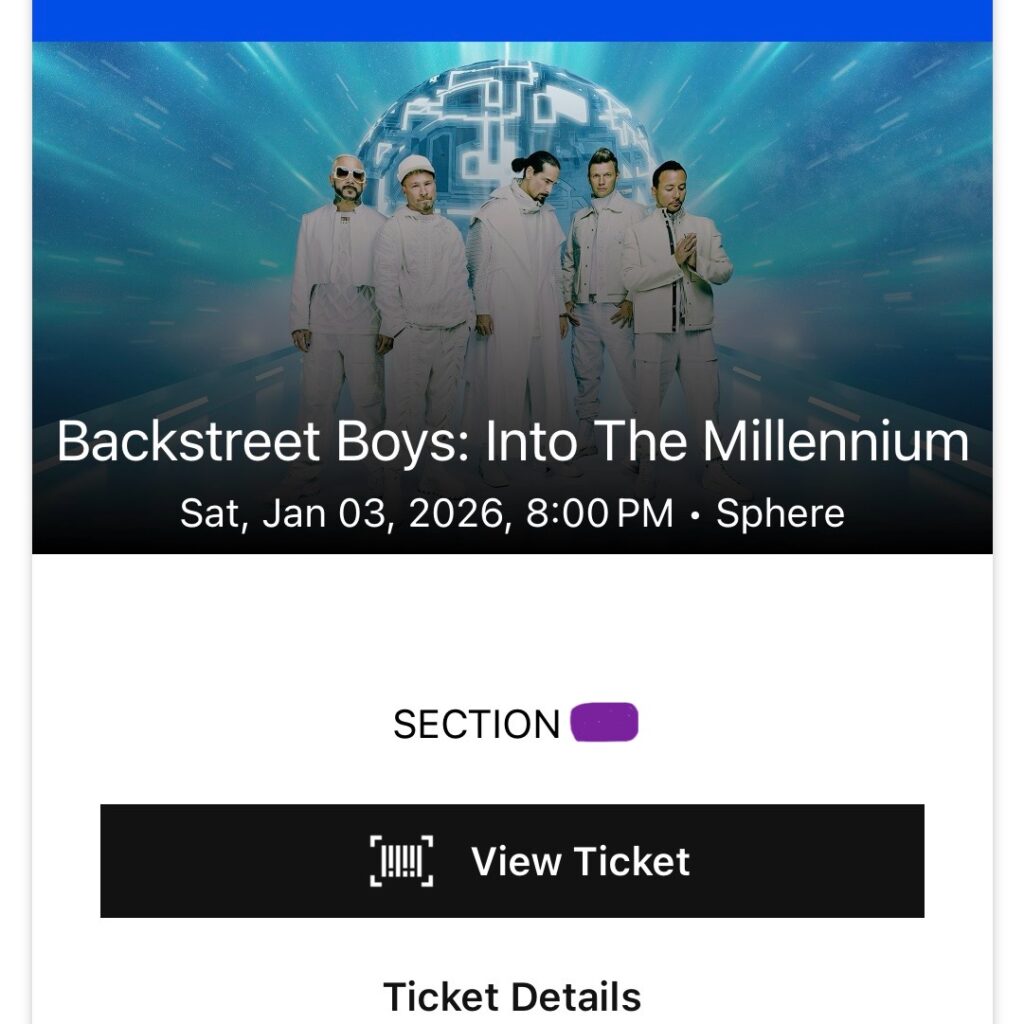
Figuring out what I like is a skill and a tool for learning who I am. (Wow, that sounds like an identity crisis.)
Lately, I’ve been thinking a lot about what I actually like. Seems weird, right? How do I not know what I like?
Not in some grand philosophical sense, but in an everyday kind of way: the wine I sip, the coffee I drink, the music I listen to, the clothes I wear, the snacks I reach for. What I realized is: I often don’t know why I like or dislike something. For example, I’ve been really into Sicilian wine lately, and I can’t articulate why other than “It’s interesting because it tastes like volcano.” And I definitely can’t describe why I like one Sicilian wine over another. They both taste like volcano. But I like one more than the other. Shrug.
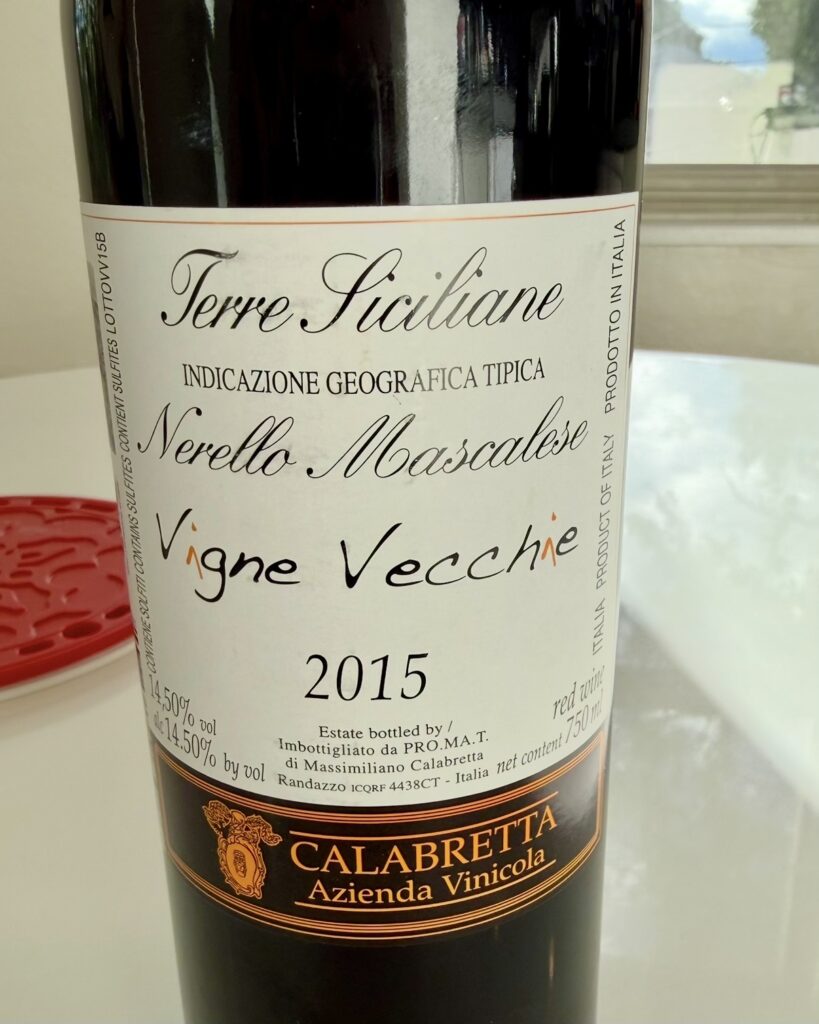
I’m realizing this isn’t just about wine — it’s about taste itself, learning to understand it, and finding the vocabulary to describe it.
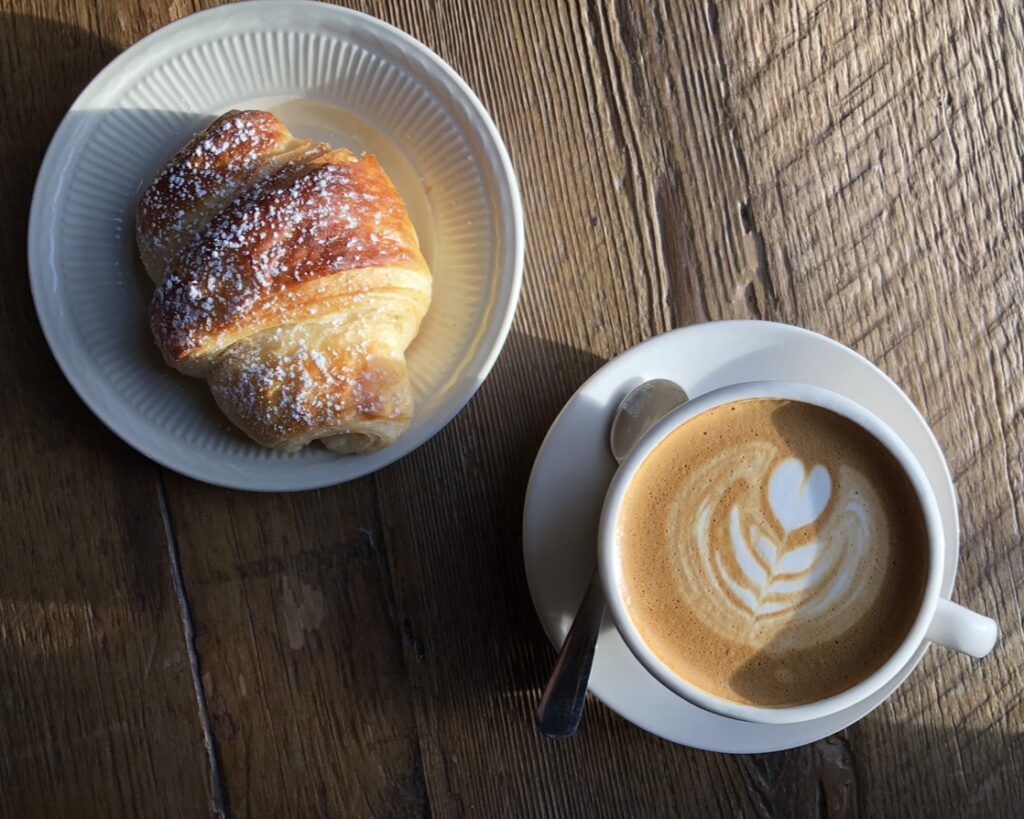
I’ve started thinking of taste as a skill, not just instinct. You can train it, notice patterns, and get better at articulating your reactions. With wine, it’s paying attention to acidity, sweetness, tannins, viscosity, booziness. With coffee, it’s noticing which notes I like — fruity, floral, chocolatey, nutty. With music, its melodies and harmonies, lyrics, instruments. With clothes, it’s what textures (soft, not itchy), colors (jewel tones), and silhouettes (TBD depending on the day, honestly) make me feel like myself. With food, it’s figuring out which flavors I crave and why. The more I practice noticing, the more I can describe what I’m experiencing. And I definitely need to learn the vocabulary, as if I’m learning a new language. There are SO. MANY. WORDS. to describe taste — have you ever looked at a flavor wheel?
I also realized how much taste reflects identity. Our preferences can be a window into who we are: our curiosity, our values, our personality. That wine that tastes like volcanic rocks? It mirrors my willingness to explore. That small-batch pour-over I can’t stop thinking about? It reflects my bougie side, lol. The song I listen to on repeat? I’m a sucker for catchy pop tunes. That hoodie I keep reaching for? I choose comfort over fashion, every time. Even the snacks I choose — sour candy over sweet cookies — probably reveal something about how I approach the world, though I’m not entirely sure what yet.
But taste doesn’t exist in a vacuum. Culture, marketing, and social norms shape what we’re “supposed” to like. Think about the stereotype that bros love beer and women prefer rosé. That dudes love rock music and girls love boy bands. Sometimes those patterns line up with real personal preference (I do love rosé!), but sometimes they’re the result of expectation and reinforcement. Over time, those expectations can seep into how we see ourselves — and probably influence our preferences too.
Recognizing this has made me more curious about my own tastes: which ones are truly mine, and which were handed to me? Do I actually like this coffee, or do I like it because it won awards? Do I love Japanese denim, or do I only like it because it’s supposed to be The Best? (The answer to both is yes, I genuinely like those things.)
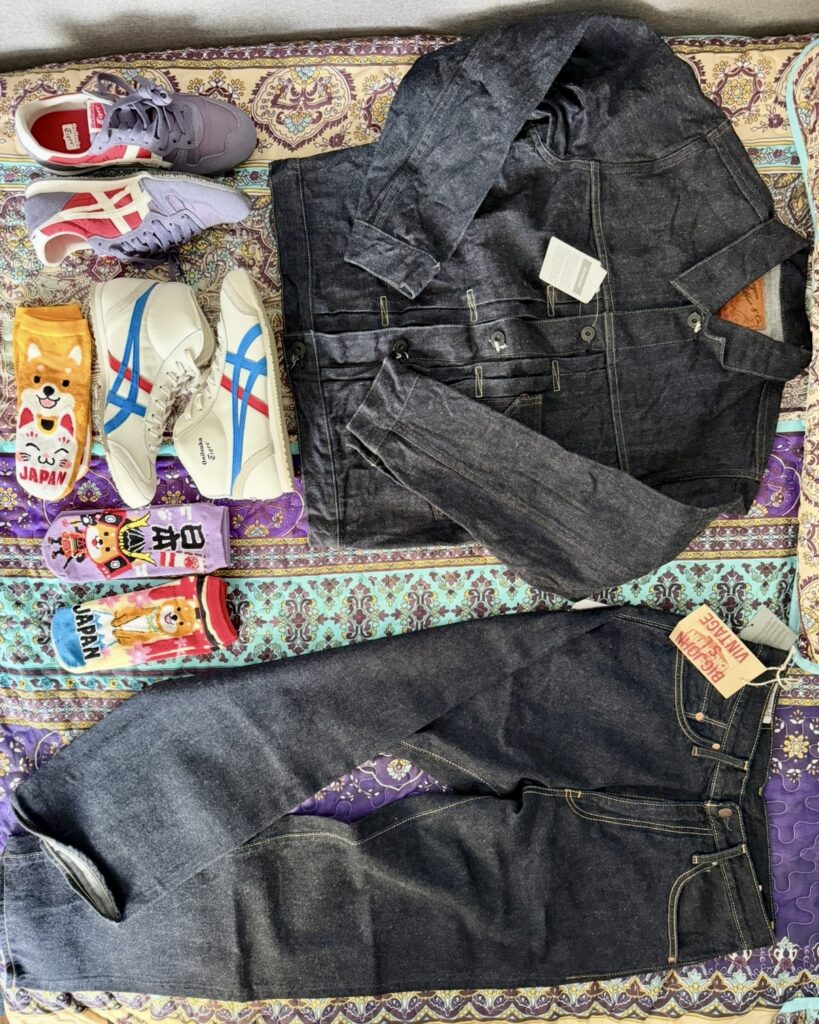
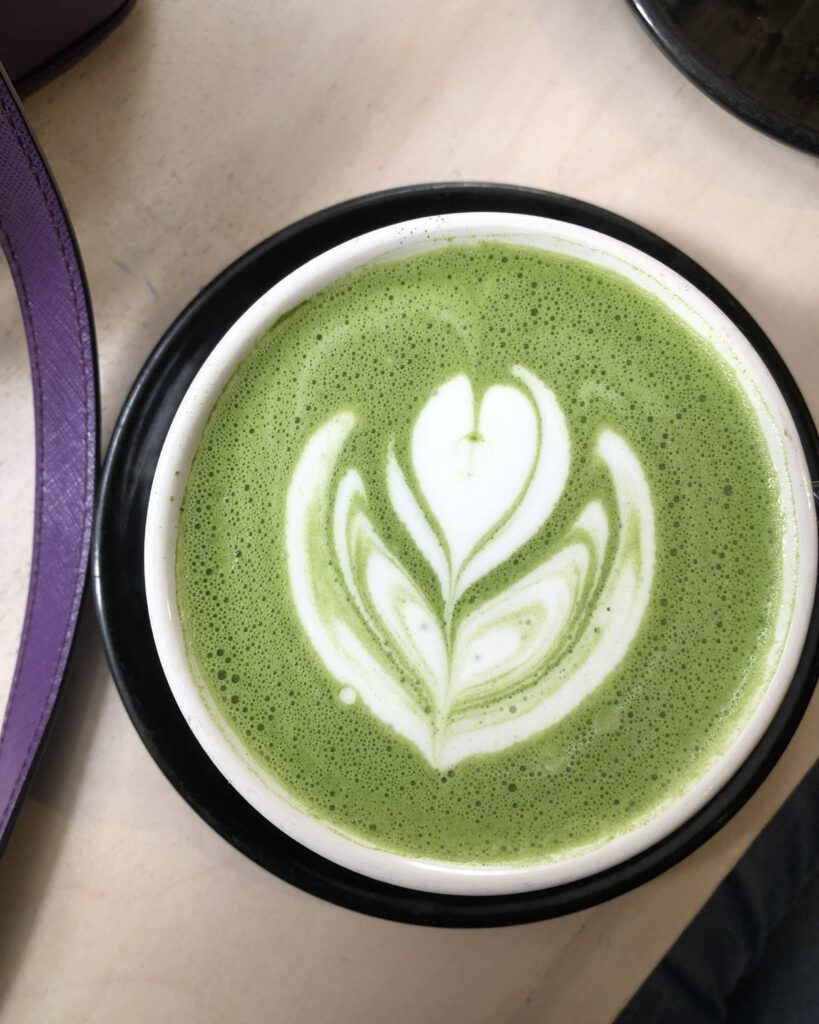
I’ve also realized that while I’m easily influenced to try something, I’m not easily influenced to like it. For example: Dubai chocolate is fine, but I don’t love it. Quarter-zips offer the stabby discomfort of a zipper without any of the convenience of one. But I’ve loved matcha since before it was trendy — how hipster of me.
Taste isn’t static, and that’s part of what makes it interesting. What I love today might feel different a year from now. Figuring out what I like isn’t about arriving at a definitive list — it’s about paying attention and experimenting without judgment. It’s noticing patterns, revisiting old favorites, revisiting old not-favorites, and being open to surprises.
A fun fact about me is I regularly try foods I used to dislike, since taste buds (and taste in general) change. And I’ve been pleasantly surprised! A non-exhaustive list of things I used to hate but now love: peanut butter, pickles, dark chocolate, Manchego cheese, peaty scotch, olives (but ONLY Castelvetrano olives, for now).
In the end, learning to like is really learning to know myself. Taste isn’t just about pleasure. It’s a tool for reflection and a way to express identity. So I’ll keep tasting, trying, noticing, and naming — whether that’s wine, clothes, food, music, hobbies, or anything in between. Because figuring out what I like is more than discovering preferences; it’s discovering me.